
Call: 08071931984
 Send Inquiry
 Send Inquiry
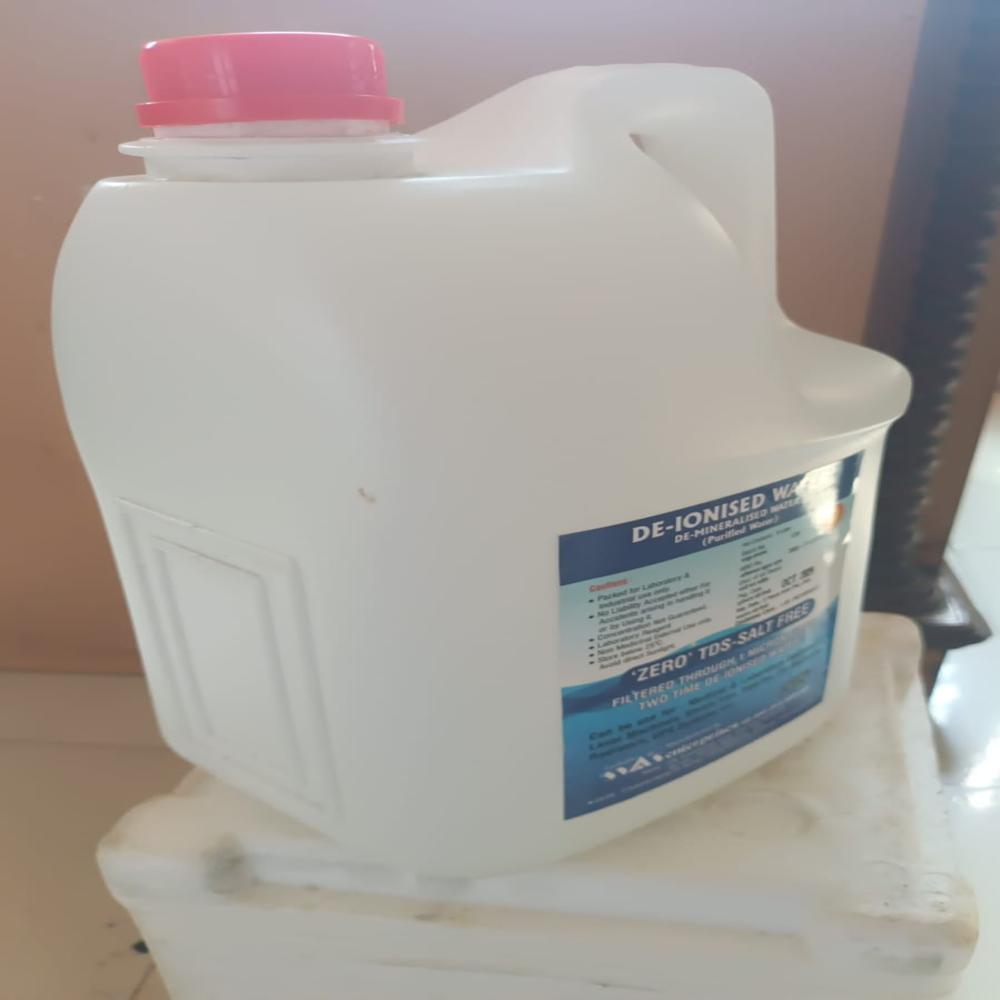
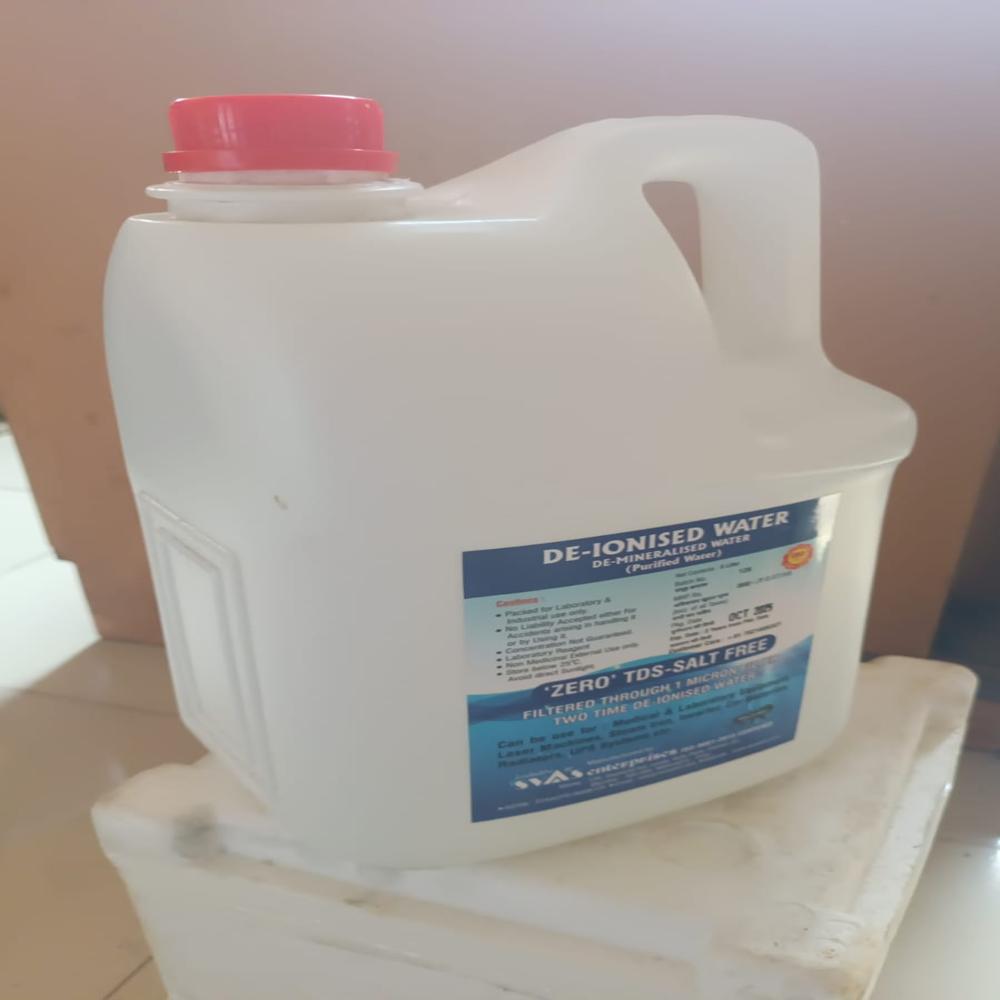
De-IONISED Water
Price 145.0 INR/ Liter
MOQ : 5 Liters
De-IONISED Water Specification
- Molecular Formula
- H2O
- Viscosity
- ~1.0 mPas (25C)
- Boiling point
- 100C
- Ph Level
- 6.8-7.2
- Storage
- Cool, Dry, Airtight Containers
- Melting Point
- 0C
- EINECS No
- 231-791-2
- Molecular Weight
- 18.02 g/mol
- Moisture (%)
- N/A (Water is the main constituent)
- Place of Origin
- India
- Heavy Metal (%)
- <0.0001%
- Residue on Ignition
- <0.0001%
- HS Code
- 28530099
- Other Names
- deionized water
- CAS No
- 7732-18-5
- Type
- Liquid
- Grade
- Laboratory / Analytical Grade
- Usage
- Laboratory, Industrial, Pharmaceutical, Electronics, Automobile, Cosmetic Applications
- Purity
- >= 99.9%
- Appearance
- Clear, Transparent Liquid
- Application
- Chemical Analysis, Battery Water, Reagent Preparation, Autoclaves, Cooling Systems, Cell Cultures, Rinsing, Research, Cosmetics
- Raw Material
- Raw/Filtered Water
- Smell
- No Smell
- Color
- Colorless
- Form
- Liquid
- Total Dissolved Solids (TDS)
- <1 ppm
- Nitrate Content
- <0.2 ppm
- Electrical Conductivity
- <1 S/cm
- Iron Content
- <0.01 ppm
- Sulphate Content
- <0.5 ppm
- Calcium and Magnesium
- <0.05 ppm
- Chloride Content
- <0.5 ppm
- Packaging Size
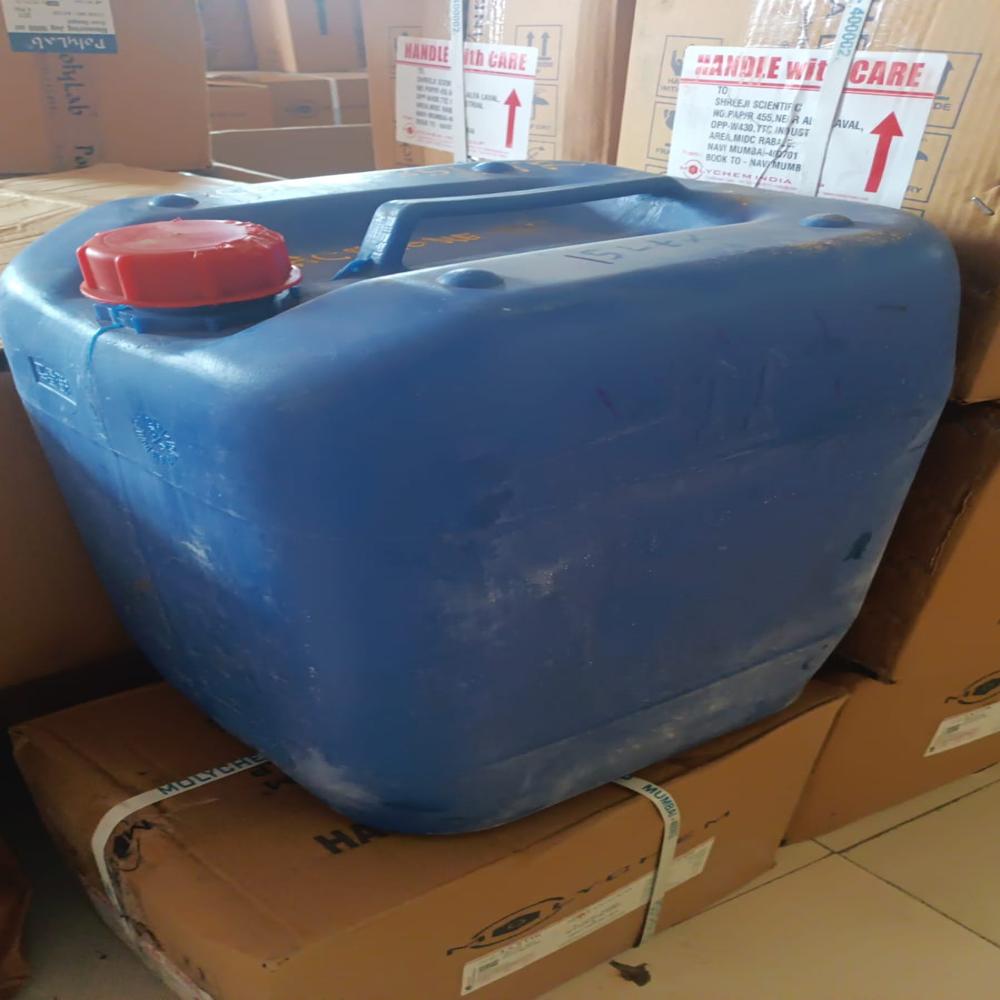
- 5L, 10L, 20L, 25L, 200L HDPE Drums or as required
- Shelf Life
- 24 months
- Bacterial Endotoxins
- Tested and controlled for critical applications
De-IONISED Water Trade Information
- Minimum Order Quantity
- 5 Liters
- Supply Ability
- 500 Liters Per Month
- Delivery Time
- 1 Week
About De-IONISED Water
Deionised water, or DI water, is water that has had all (or most) ions removed. The ions present in water can often be picked up through soil, such as calcium or sodium. Ions Iron and Copper can also be picked up through the water pipesUltra-Pure Quality for Precision Applications
Our deionised water meets strict criteria for low electrical conductivity and minimal dissolved solids, providing consistent results for laboratory analysis, pharmaceutical formulations, and research. The absence of heavy metals and controlled bacterial endotoxins make it ideal for sensitive processes such as reagent preparation, cooling systems in electronics, and cell cultures.
Flexible Packaging and Secure Storage
Available in a range of packaging options, from 5L to 200L HDPE drums, our deionised water is delivered in secure, airtight containers to maintain its high purity. This flexibility supports both small-scale labs and large industries, ensuring ease of handling and optimal storage conditions to preserve quality over its 24-month shelf life.
FAQ's of De-IONISED Water:
Q: How is this deionised water produced to achieve such high purity?
A: The water undergoes rigorous deionisation and filtration processes, removing ions, minerals, and organic impurities. Each batch is tested for electrical conductivity, TDS, and specific ions such as chloride, sulphate, nitrate, and heavy metals to ensure compliance with stringent standards.Q: What are the common uses of deionised water across industries?
A: This ultra-pure water is widely used in laboratories for analysis and reagent preparation, in the pharmaceutical industry for formulations, electronics for rinsing and cooling, automotive batteries, cosmetic manufacturing, and research environments requiring minimal contamination.Q: When should deionised water be used over distilled water?
A: Deionised water is preferred when extremely low levels of dissolved ions are required, as it provides higher purity than standard distilled water. Use it for sensitive analysis, electronics manufacturing, or any process where even trace minerals can interfere with results.Q: Where is the ideal storage location for deionised water to preserve its purity?
A: Store deionised water in cool, dry, and airtight containers away from direct sunlight and contamination sources. HDPE drums are recommended to maintain purity and extend the 24-month shelf life.Q: What are the benefits of using deionised water in laboratory and industrial applications?
A: Deionised water prevents interference from dissolved ions, ensuring accurate chemical analysis, protecting equipment from scale build-up, and reducing contamination risk in pharmaceutical and cell culture processes.Q: How do you control bacterial endotoxins in this deionised water?
A: For critical applications, bacterial endotoxins are rigorously tested and controlled through validated purification steps and regular monitoring, ensuring compliance with pharmaceutical and laboratory standards.Q: What is the process for ordering deionised water with specific packaging requirements?
A: You can request custom quantities with your desired packaging size, ranging from 5L to 200L drums. Contact our supply team in India to discuss special packaging needs or bulk orders.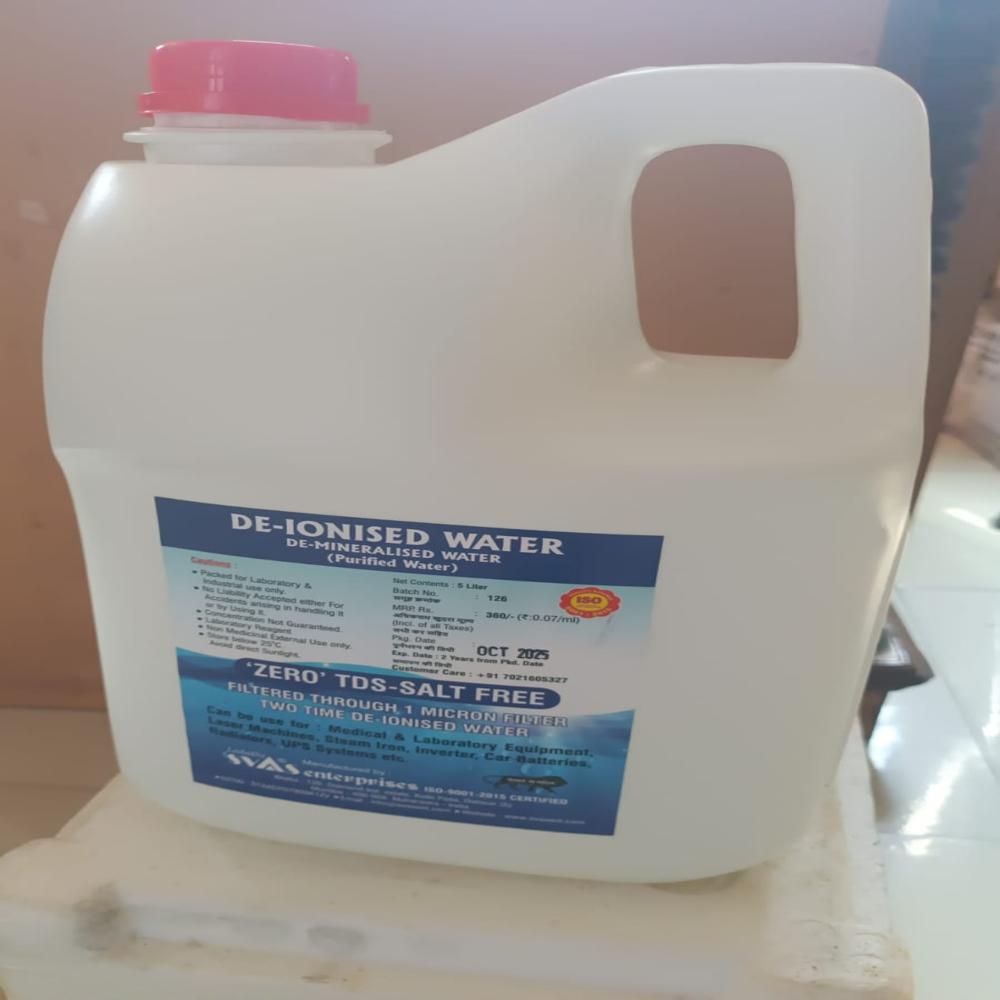
Tell us about your requirement

Price:
Quantity
Select Unit
- 50
- 100
- 200
- 250
- 500
- 1000+
Additional detail
Mobile number
Email

More Products in Pharmaceutical Chemical Category
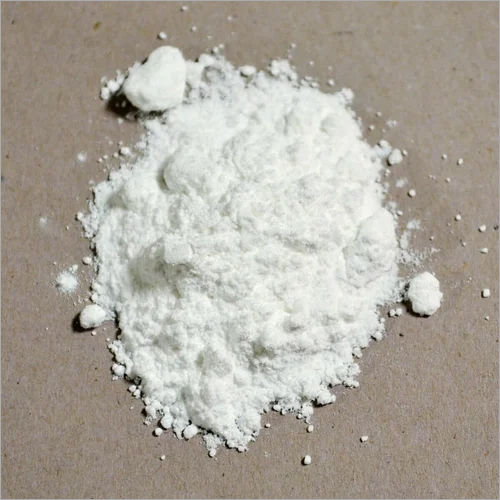
White Hexamine Powder
Price 550 INR / Kilograms
Minimum Order Quantity : 1/2 Kilograms
Storage : Room Temperature
Form : Powder
Purity : 99%
Application : Pharmaceutical Industry
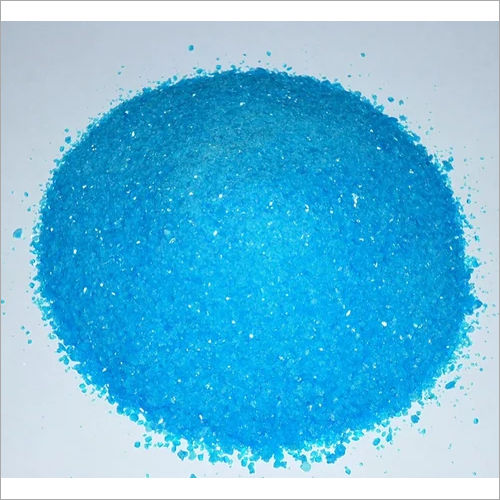
Copper Sulphate Powder
Price 230.0 INR / Kilograms
Minimum Order Quantity : 50 Kilograms
Storage : Room Temperature
Form : Powder
Purity : 98%
Application : Animal Pharmaceutical, Pharmaceutical Industry, Cosmetic Industry, Biomedical Fields
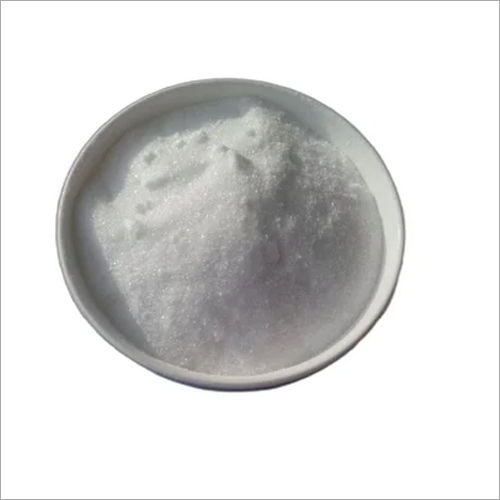
White Bleaching Powder
Price 234 INR / Kilograms
Minimum Order Quantity : 1 / 2 Kilograms
Storage : Room Temperature
Form : Powder
Purity : 99%
Application : Biomedical Fields, Pharmaceutical Industry, Cosmetic Industry, Animal Pharmaceutical

Contact Details
SHREEJI SCIENTIFIC
GST : 27AFNPJ2394C1ZE
- B-402, TULIP CHS, PLOT NO.7, SECTOR NO. 6, GHANSOLI, NAVI MUMBAI,Raigad - 400701, Maharashtra, India
- Phone :08071931984
 Send Inquiry
Developed and Managed by Infocom Network Private Limited.
